
 Sleep Assessment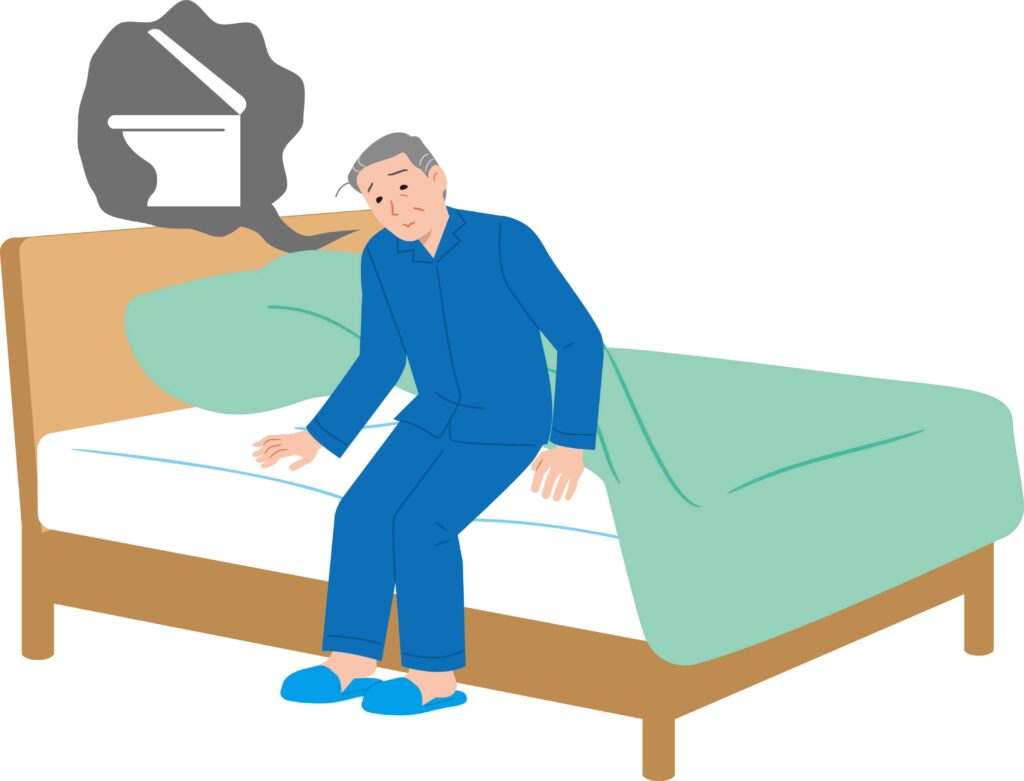
In the majority of cases, the topic of bedwetting is associated with children. In fact, approximately ¼ of children face this issue. Most of the time, kids grow out of this as they get older and their bladders become more developed. However, research suggests that 1-2% of adults also run into this problem. This is often related to an underlying condition, like sleep apnea. Read on to learn more about the relationship between sleep apnea and nighttime urination as well as your treatment options.
How Does Sleep Apnea Cause Nighttime Urination & Bedwetting?
Obstructive sleep apnea is a disorder that causes one to frequently start and stop breathing throughout the night. In fact, a study found that as many as 7% of people with obstructive sleep apnea experience bedwetting. This can become more frequent as sleep apnea worsens.
Nighttime urination, also known as “nocturia,” is the regular urge to get up to urinate in the night. About half of people who have obstructive sleep apnea experience nocturia, so there appears to be a link between the two, but the cause isn’t completely known. Some propose that having low oxygen levels from sleep apnea puts stress on the bladder, releasing hormones known to increase urine production.
How Can Nocturia Be Prevented?
Just because you experience nocturnal urination or bedwetting doesn’t mean that you have sleep apnea, so it’s important to bring this up with a professional to get to the root of the problem. If sleep apnea is suspected, you need to undergo a sleep test. If your results indicate sleep apnea, there are a variety of treatment options to help you get relief. Here are some of the most common ones.
- Lifestyle Changes: Mild sleep apnea can often be treated with healthy lifestyle changes, like losing excess weight, side-sleeping, maintaining a healthy diet, and getting plenty of exercise.
- CPAP Therapy: CPAP stands for “continuous positive airway pressure.” For this treatment, you need to wear a mask that covers your nose and/or mouth and is connected to a machine. The machine delivers a continuous stream of air via the mask to keep your airway open while you sleep. This is an effective treatment for moderate to severe sleep apnea, but many patients find this uncomfortable and inconvenient, so they are less likely to comply with their treatment.
- Oral Appliance Therapy: An oral appliance is a nightguard-like appliance that is worn in your mouth as you sleep. It works by shifting the jaw forward in a way that reduces your likelihood of experiencing an obstruction. It is comfortable, easy to travel with, and effective for those with mild to moderate sleep apnea.
- Combined Therapy: Some patients benefit from a combination of CPAP therapy and oral appliance therapy for optimal results.
If you are experiencing nocturia and/or bedwetting, this is something to bring up to your sleep dentist. By discussing your symptoms and undergoing a sleep test, you are one step closer to getting the treatment you need to thrive.
About the Author
Dr. Michael E. Michel earned his dental doctorate from the University of Missouri-Kansas City School of Dentistry. Since then, he’s been committed to continuing education to keep his knowledge and skills sharp. To learn more about sleep apnea treatment or to schedule an appointment at his office in Topeka, visit his website or call (785) 273-0801.